
Iranische Liberale Frauen
The Organization of Liberal Iranian Women – Germany
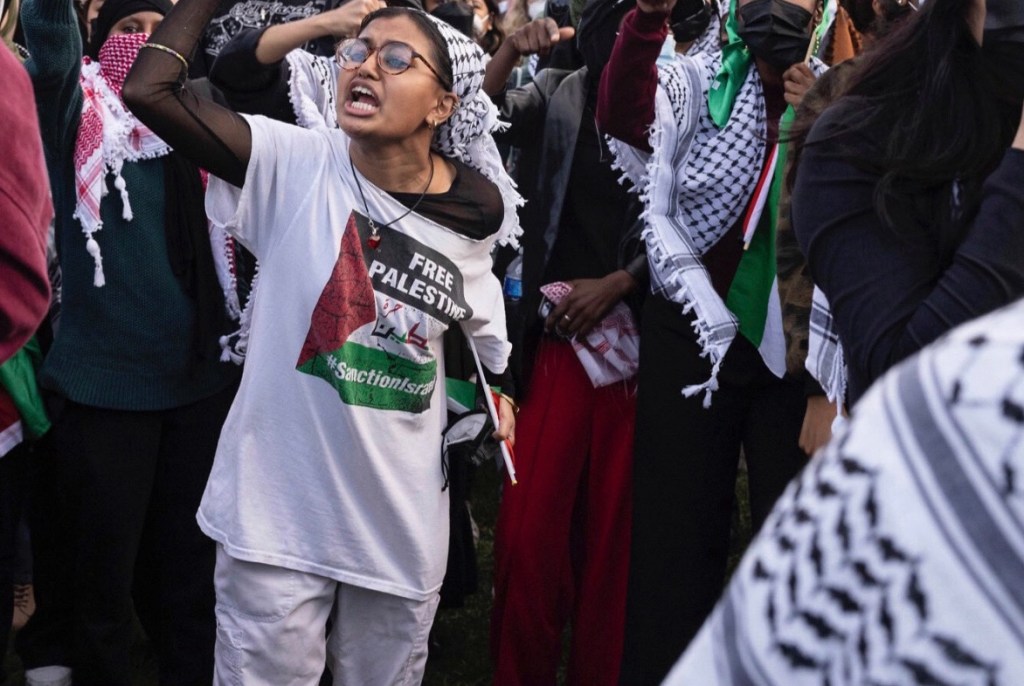
The current events at Columbia University will have a lasting impact not only on the United States, but on the entire world. Pervasive dissemination of anti-Semitic ideology and sentiment among academics is bringing to the fore those who advocate for a world without prejudice.
To understand the profound societal impact of such movements, it is worth looking at the demonstrations by Iranian and German left-wing groups in Berlin in 1967, which have striking parallels to the current events at Columbia University.
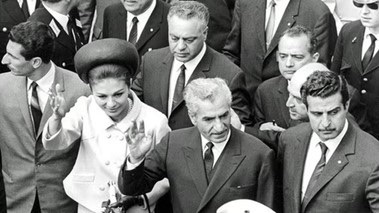
Mohammad Reza Shah Pahlavi’s trip to Germany in late May and early June 1967 left a lasting mark in the country’s history. Even fifty years later, the significance of this visit and its far-reaching consequences are still being debated in German media and academic circles.
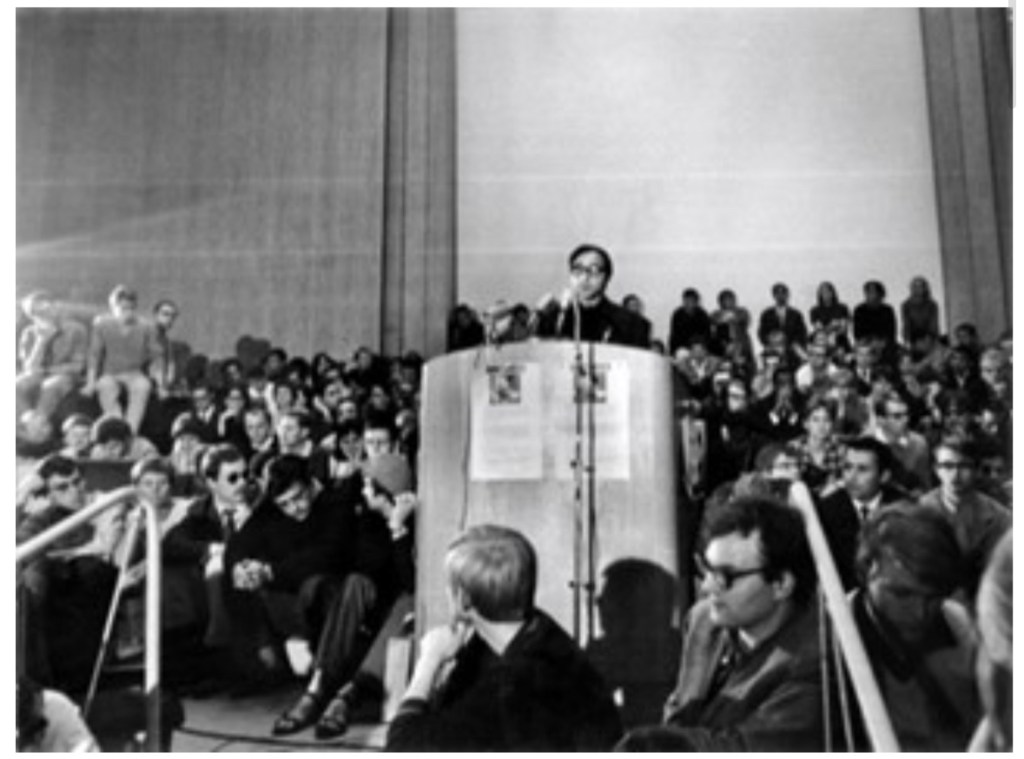
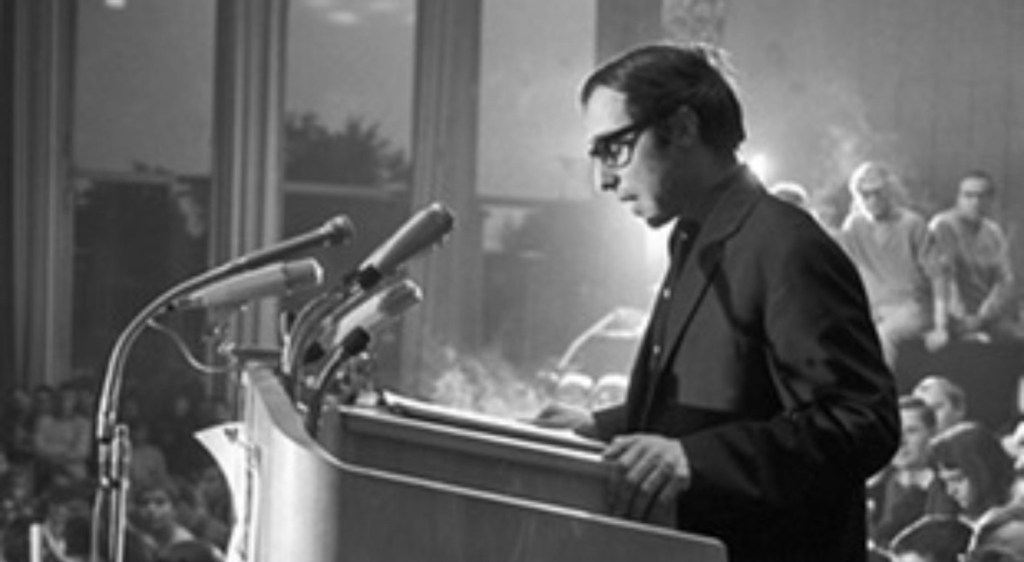
After years of silence, a key figure who was intimately involved in these events has now come forward to talk about what transpired. Bahman Niroumand, founder of the World Confederation of Iranian Students in Exile and a staunch opponent of the Shah’s regime, unveiled an exposé book at a meeting in the “Maximum Auditorium” of the University of Berlin on the evening before the Shah’s planned visit to West Berlin. The title “Persian Model of a Developing Country or Dictator of the Free World” was written by Rowohlt Verlag, with a recommendation on the back by Hans Magnus Enzensberger.
Niroumand is also known for his involvement in an incident in March 1968 when he, along with Rudi Dutschke, a leading member of the student movement, carried a bomb in a secret suitcase on board an airplane with the aim of blowing up the AFN [US military network] broadcasting facility in Saarbrücken.

In his biography, Niroumand now confirms that the assassination of the Shah on June 2, 1967 was indeed planned and describes the plan as “prudent,” stressing that it would “certainly have been successful.” The mobile bomb was designed by an “extraordinarily talented Iranian.”
In his gripping speeches, Niroumand convinced the student body that fighting oppression in Iran was equivalent to fighting for Vietnam. A total of three demonstrations were coordinated, marking a turning point in German history. In one incident, three police officers were arrested after taking a student named Benno Ohnesorg into custody.
Another police officer named Karl Heinz Corassen shot this student at close range. Years later, when examining the files of the East Germany’s Ministry of Security, it was discovered that Corassen was an unofficial employee of the ministry. There was no definitive proof whether this murder was premeditated or not, but this incident further fueled the protests, and Bahman Niroumand, the main actor behind the protests, achieved his goal.
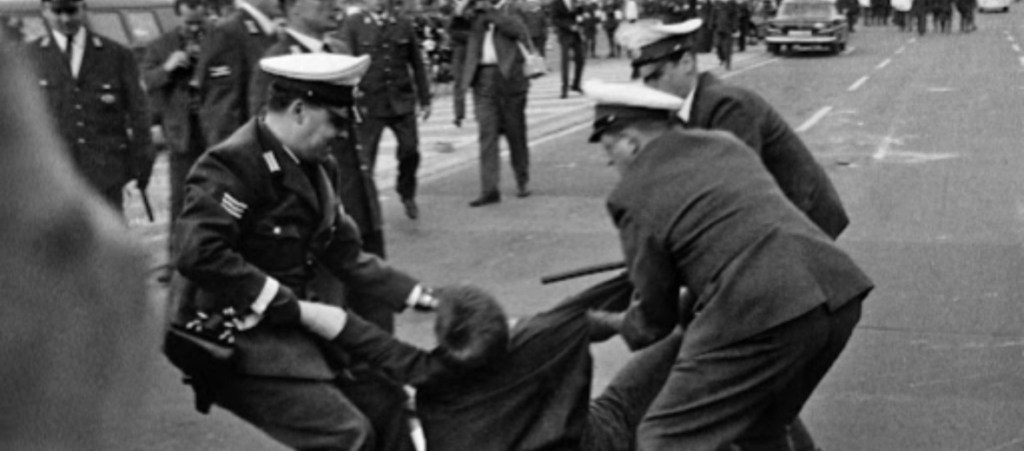
In June 2009, Hans-Ulrich Jörges, a member of the editorial board of Stern magazine, said that the Stasi cases required a look back at the thirty-year history of the German 1968 movement and its terrorist deviation.
But the parallels with today’s events at Columbia University are disturbing. The increasing spread of anti-Semitic ideologies among academics could lead to a similar radicalization and division as was observed in Germany in the 1960s.
Polarization at universities could not only endanger academic freedom, but also create deeper social divisions and, in the long term, undermine the foundations of democratic society. History shows that such movements often get out of control and can have far-reaching negative consequences that permanently destabilize the social fabric.


Leave a Reply