
Charlene Savadkouhi
Iranian women’s rights activist Narges Mohammadi has been curiously all over the news since the Islamic Republic regime granted her a medical furlough from prison.
It is not unusual to witness a media frenzy surrounding Mohammadi or Nasrin Sotoudeh, that is typically amplified and inflated by left-leaning Western media outlets. This time, of course, is no exception.
The fact that these media hypes occur so regularly and with such sensationalism, compels one to surmise whether there is an ulterior agenda to these unusually bombastic media flares.
One cannot ignore the glaring inconsistencies and unusual privileges surrounding the case of Mohammadi. These anomalies raise serious questions about the narrative being presented and the motivations behind it.
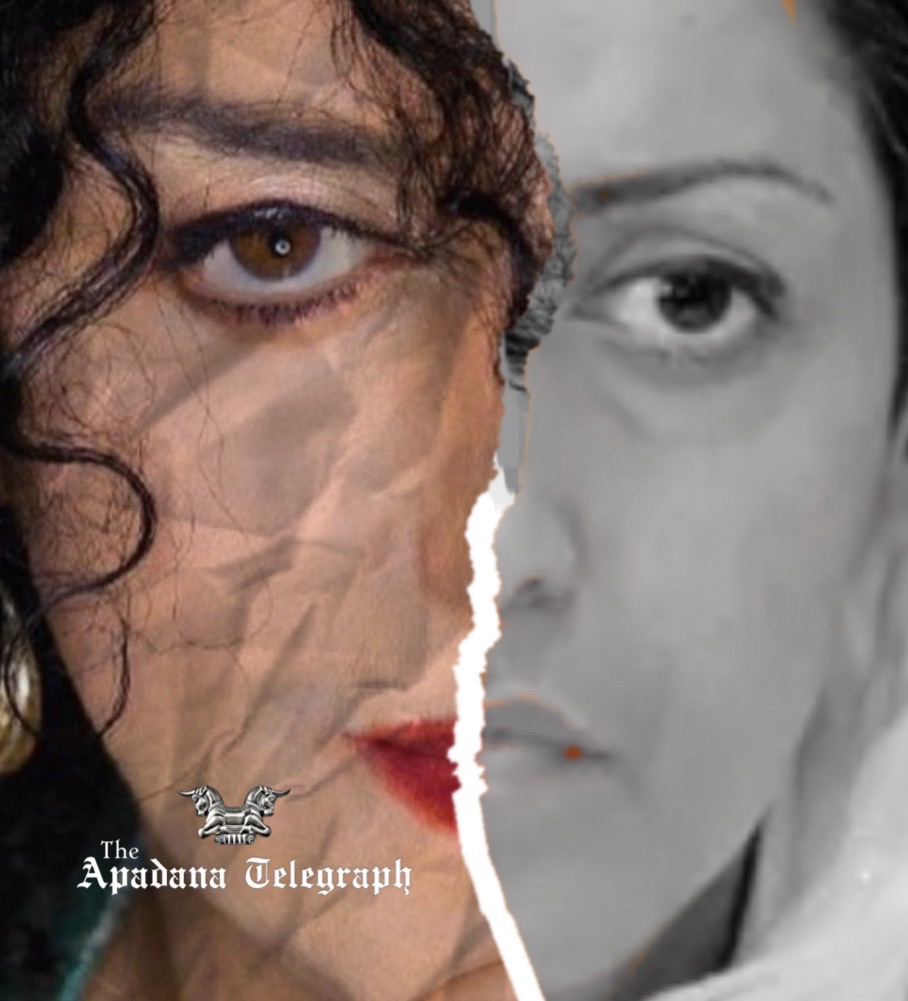
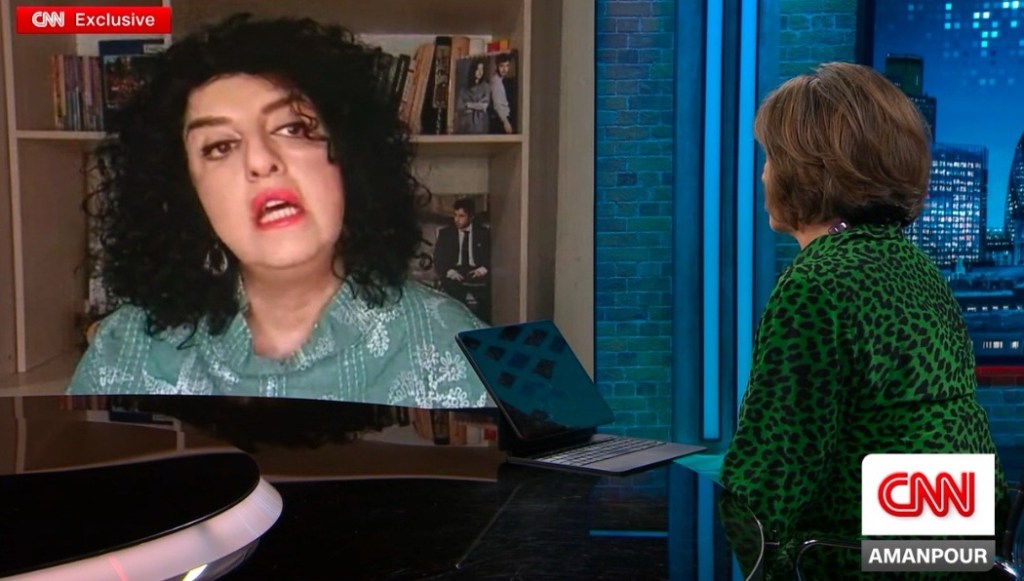
How does a political prisoner, in a system known for its brutal restrictions, manage to give a live interview to CNN during her furlough? And how does her professionally made-up image end up on the cover of Elle magazine, a platform with a global audience?
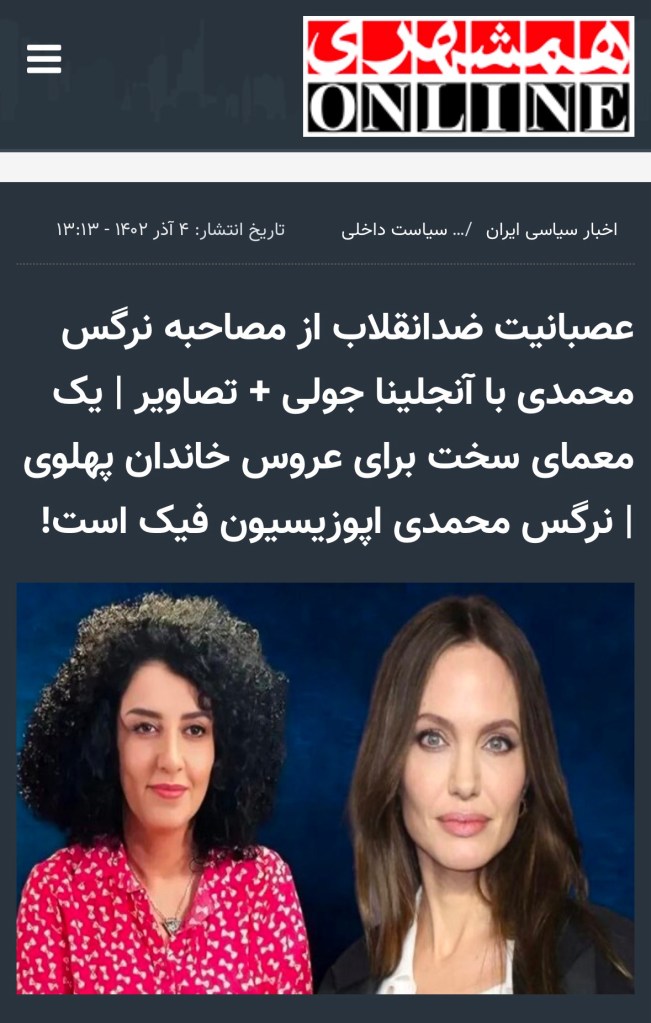
Then there’s her phone interview with Angelina Jolie, allegedly conducted from prison. Meanwhile, countless other prisoners are denied visits, barred from contacting their loved ones for weeks, and live in isolation. How does one explain this disparity?
It becomes even more puzzling when a publication like Hamshahri, closely tied to the regime, publicly praises her. Why is a regime-controlled outlet elevating her image, while it relentlessly silences true dissenters?
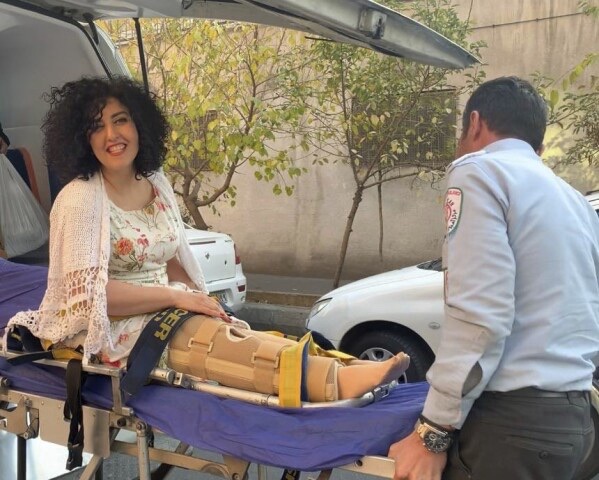
Footage of her furlough and her arrival home without a hijab, broadcast widely with deliberate fanfare, further deepens the mystery. Add to this her reported singing and dancing in prison, and even producing a documentary from inside, and the narrative begins to resemble a carefully constructed storyline rather than the plight of an oppressed activist.
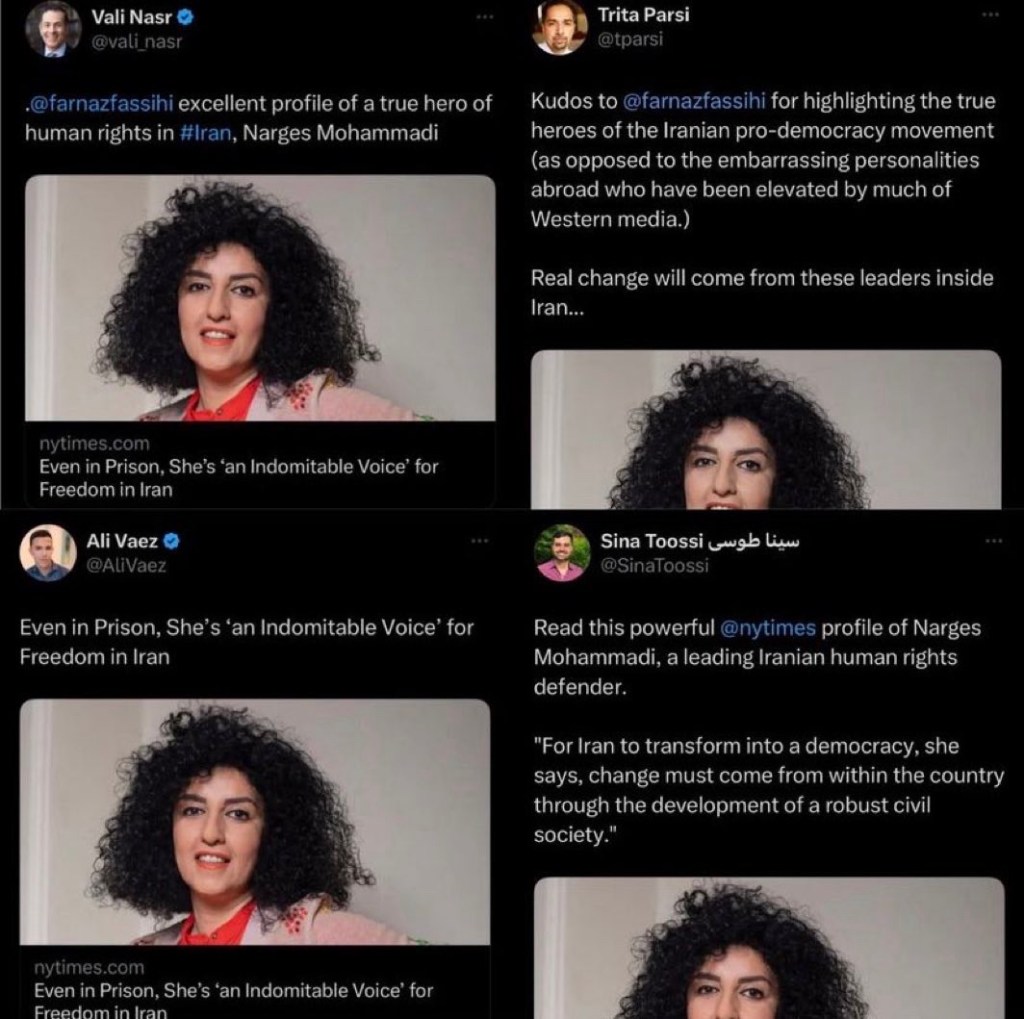
Finally, consider her promotion by organizations and individuals like the National Iranian American Council (NIAC), Trita Parsi, Ali Vaez, Negar Mortazavi, and Farnaz Fasihi. These entities have long been associated with certain political agendas. Why are they so invested in amplifying her story?
For any discerning observer, these questions demand answers. Is Narges Mohammadi truly a symbol of resistance, or is she being positioned as a tool within a larger political agenda?
The public deserves to know the truth behind these inconsistencies.


Leave a Reply