
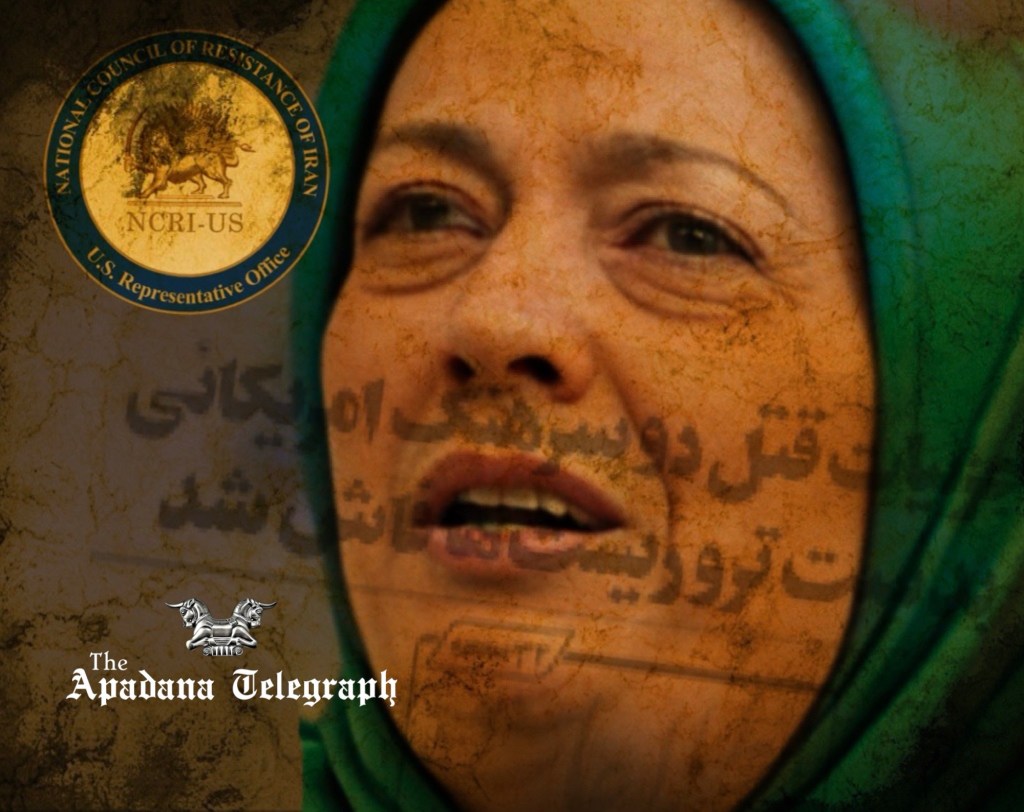
Charlene Savadkouhi
When discussing Iran’s future, one must carefully scrutinize the groups vying for influence. Among them, the Mojahedin-e Khalq (MEK) stands out—not for its promise of democracy, but for its long history of terrorism, betrayal, and oppressive practices. Despite attempts to rebrand itself as a democratic force, the MEK’s actions and alliances tell a much darker story.
A Group Born of Authoritarianism
The MEK’s origins lie in its founding as an Islamo-Marxist organization, ideologically tied to communism and authoritarian regimes. Early on, it sought financial and logistical support from the Soviet KGB, requesting $300 million and asylum for its members in 1970. The group also collaborated with Hafiz al-Assad’s Syrian intelligence and the East German Stasi, showcasing its alignment with repressive powers. Such alliances paint a clear picture of a group willing to partner with dictatorships for survival and influence, rather than championing democratic ideals.
Terrorist Campaigns Against Americans and Western Interests
The MEK’s history is marked by brutal attacks on Americans and Western institutions.
In 1972, the group attempted to assassinate Brig. Gen. Harold Price, leaving him permanently disabled.
In 1973, they murdered Lt. Col. Louis Lee Hawkins in Tehran.
By 1976, the MEK was implicated in the killing of three American employees of Rockwell International—William Cottrell, Donald Smith, and Robert Krongard.
Beyond assassinations, the MEK engaged in bombings throughout the 1970s, targeting multinational corporations like Pan-American Airlines and Shell Oil, as well as SAVAK intelligence facilities. These attacks were not acts of resistance but calculated acts of terror aimed at spreading fear and asserting control.
Crimes Against Humanity with Saddam Hussein
The MEK’s betrayal of its homeland reached a peak during the Iran-Iraq War, where it allied with Saddam Hussein. The group not only fought alongside Iraqi forces against Iran but also participated in suppressing Kurdish, Turkmen, and Shia uprisings in Iraq. These actions directly contributed to crimes against humanity, cementing the MEK’s reputation as opportunists willing to side with despots for power.
A Cult-Like Operation
Internally, the MEK operates as a cult, enforcing rigid authoritarian control over its members. Absolute loyalty is demanded, dissent is crushed, and brainwashing techniques are used to maintain the leadership’s dominance. These practices expose the group’s true nature: not a political movement, but a power-hungry organization bent on domination.
Reviled by Iranians
Far from being a voice for the Iranian people, the MEK is widely despised across political and social spectrums in Iran. Its betrayal during the Iran-Iraq War, violent history, and authoritarian practices have alienated it from the population. The MEK’s lack of grassroots support underscores its illegitimacy as a representative of Iran’s future.
Antisemitism and Hypocrisy
Despite claims of advocating for democracy, the MEK’s constitution includes support for a Palestinian homeland while opposing Israel’s existence. This stance aligns with the antisemitic rhetoric of the current Islamic Republic, revealing yet another layer of hypocrisy in the MEK’s supposed democratic platform.
Political Manipulation and Western Support
Through clandestine funding and aggressive lobbying, the MEK has managed to gain the endorsement of Western politicians, including former U.S. Secretary of State Mike Pompeo. They have mastered the art of lobbying in America. These endorsements, however, are based on a selective narrative that conveniently ignores the MEK’s history of terrorism and authoritarianism.
A Nightmare for Iran’s Future
Should the MEK gain power in a post-Khamenei Iran, the consequences would be disastrous. The group’s vision of “Communist Islam” would transform Iran into a totalitarian state reminiscent of Myanmar or Laos, with a new elite class mirroring the current regime’s authoritarianism. Rather than delivering democracy, the MEK would plunge Iran into another dark era of repression and instability.
Conclusion: A Clear Warning
The MEK’s history disqualifies it as a legitimate opposition group or a viable alternative for Iran’s future. From assassinations and bombings to collaboration with Saddam Hussein, the group’s actions reveal a pattern of betrayal and authoritarianism. Supporting the MEK undermines the genuine aspirations of the Iranian people, who seek freedom and democracy—not a new face for tyranny. Any endorsement of this group betrays the values of justice and human rights that Iran’s people so desperately deserve.


Leave a Reply