
Sarah Raviani
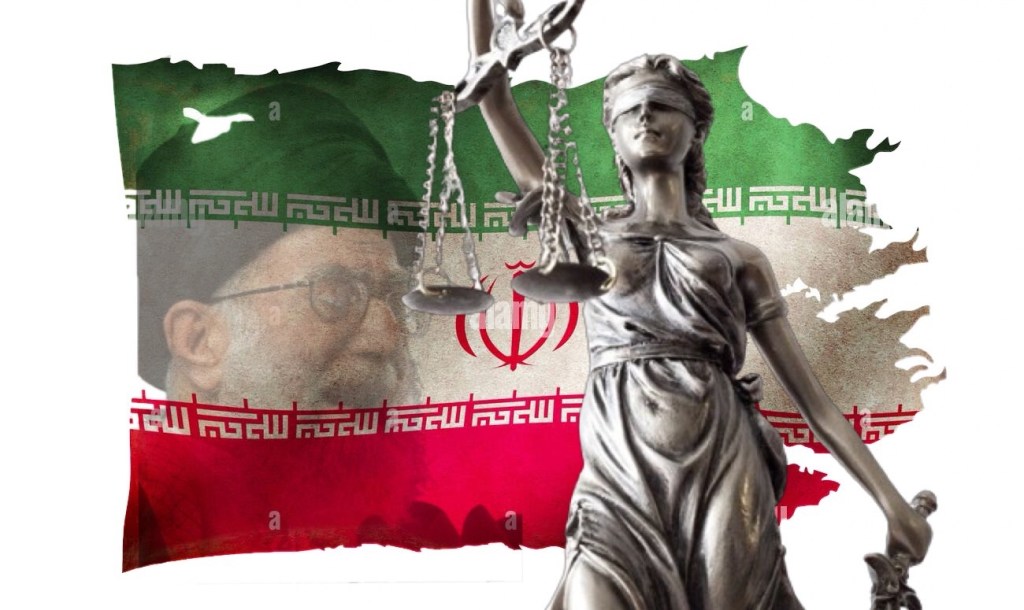
Last week, a supplemental bill was enacted into law, allocating billions in aid for Ukraine, Israel, and Taiwan. Within the aid package, several measures aimed at targeting the regime’s leadership, oil exports, and missile program in Iran were included. Notably, after nearly two years of advocacy, the Iranian-American community achieved the passage of the MAHSA Act. This success can be largely attributed to the hard work and tireless efforts of the Iranian-American diaspora. In addition to the MAHSA Act, several other bills related to Iran were also included in the 21st Century Peace Through Strength Act. I will provide a brief breakdown of the bills included in the 21st Century Peace Through Strength Act and their implications.
The MAHSA Act
The Mahsa Amini Human Rights and Security Accountability Act is a bill that will require the President of the United States to assess whether high-ranking officials of the Islamic regime in Iran should be included under existing U.S. sanctions for human rights abuses and support of terrorism.
The SHIP Act
Stop Harboring Iranian Petroleum Act will require the President to impose visa and property blocking sanctions against foreign persons that knowingly transport, process, refine, or otherwise deal in petroleum and petroleum products (including petrochemicals) originating in Iran.
Fight CRIME Act
Fight and Combat Rampant Iranian Missile Exports Act imposes mandatory property blocking and visa sanctions on individuals involved in supplying, selling, transferring, or supporting Iran’s missiles and drones.
No Technology for Terror Act
This bill extends the “foreign direct product rule” to Iran, which restricts the re-export or transfer of U.S. originated items from one foreign country to Iran. The products include technology and equipment such as cameras, lasers, and sensors.
Holding Iranian Leaders Accountable Act
This bill brings transparency to terrorist financing by requiring the President to report on, and subsequently publish, the assets of certain Iranian government officials and terrorist leaders. It also requires Treasury to seek closure of the U.S. and foreign financial institution accounts connected with the assets.
Iran-China Energy Sanctions Act
This bill requires the President to periodically determine whether any Chinese financial institution has engaged in the purchase of petroleum or petroleum products, as well as unmanned aerial vehicles, from Iran.
As the regime persists in its crackdown on the Iranian people and spreads chaos throughout the Middle East, including these bills in the foreign aid package represents a significant step forward in holding the regime in Iran accountable. As a community that has politically mobilized to make their voices heard in the U.S. Congress for the very first time, it seems that promising days lie ahead for Iranian-Americans who are advocating for a change in U.S. policy towards Iran.


Leave a Reply