
Sepideh Bahrami
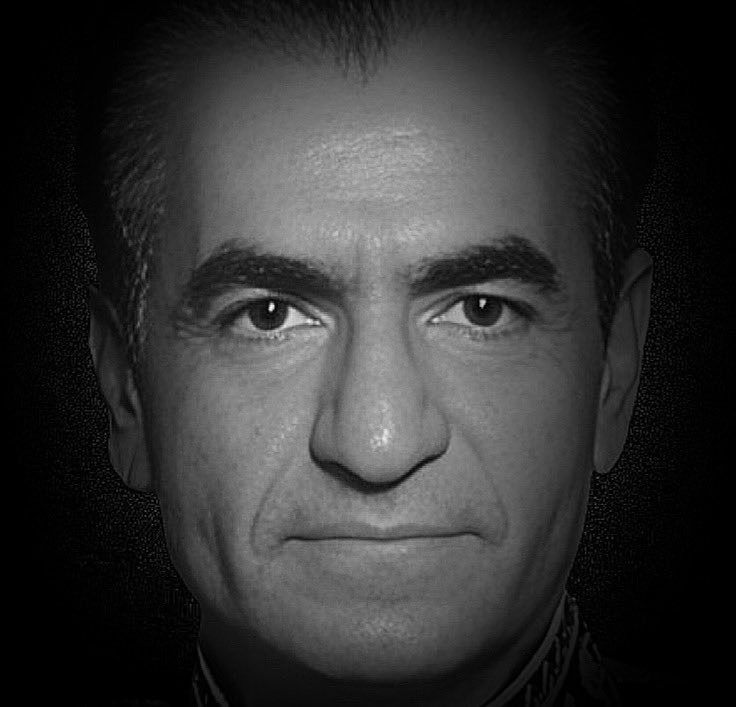
The drop in Iran’s oil revenues in January 1977 was a challenging time for the Shah and his government [1,2,3]. However, it is essential to remember the positive aspects of Mohammad Reza Shah Pahlavi’s rule and the many reforms he implemented that significantly benefitted Iran.
One of the key initiatives of the Shah was the “White Revolution,” a comprehensive program of social, political, and economic reforms that aimed to modernize Iran and improve the lives of its citizens. The White Revolution included land reforms that redistributed land to millions of families, established literacy and health corps in rural areas, and advanced social and legal reforms, including the emancipation and enfranchisement of women. These reforms led to a significant increase in per capita income for Iranians and fueled industrial development projects through increased state funding.
Despite facing opposition from some Shiʿi leaders who criticized the reforms as being against Islamic values, the Shah continued to push for progress and modernization in Iran. The development of secular courts and secular education under the White Revolution eroded the traditional power of the clergy, leading to a more diverse and inclusive society.
Shah’s reforms challenged traditional power structures in Iranian society, including the clergy and tribal leadership. While these reforms faced opposition from some religious leaders and conservative groups, they ultimately paved the way for greater social and political empowerment for women, youth, and marginalized communities in Iran.
Furthermore, the Shah was forward-thinking in his approach to Iran’s economy. Recognizing the dangers of depending solely on oil revenues, he pursued a policy of economic diversification. Iran began automobile production in the 1950s and started exporting vehicles to other countries. The government also invested in other industries such as copper and steel production, leading to a more robust and diversified economy.
Additionally, the Shah sought to strengthen Iran’s position in the global market by investing overseas and negotiating barter agreements for the marketing of petroleum and natural gas. His efforts to establish direct control of Iranian oil fields through agreements with Western firms helped secure Iran’s economic future and reduce its dependence on a single natural resource.
Overall, the Shah’s leadership during challenging times such as the drop in oil revenues in 1977 showcased his commitment to modernizing Iran and improving the lives of its citizens. While his rule faced opposition and challenges, the positive reforms and economic diversification efforts he implemented have left a lasting impact on Iran’s development and progress. Shah Mohammad Reza Pahlavi’s vision and dedication to modernizing Iran should be remembered as a testament to his leadership and commitment to the country’s advancement.
The part about Iranians being well aware of the Shah’s modernization efforts is a crucial aspect of understanding the current political landscape in Iran. Despite the tumultuous events that led to the Shah’s exile and the rise of the current regime, many Iranians recognize the positive impact of his initiatives to modernize the country and improve living standards. This awareness has led to growing support for the Shah’s son, Prince Reza Pahlavi, as the only leader to bring about change and restore the Pahlavi monarchy.
The current regime in Iran, led by Shia clerics, has faced criticism for its oppressive tactics and human rights violations. Iranians now see the return of the Pahlavi monarchy as a way to break free from the current regime’s tyranny and establish a democratic and progressive system of governance.
In conclusion, the legacy of the Shah’s modernization efforts continues to shape the aspirations of many Iranians today. The support for Prince Reza Pahlavi reflects a desire for a return to stability, progress, and prosperity that was once promised by the Pahlavi era. The road ahead may be challenging, but the belief of a better future under the Pahlavi monarchy remains strong among those who seek to liberate Iran from its current oppressive regime.
[1] “Iran Reports Exports of Oil Decline 34.7%.” The New York Times, January 12, 1977. In January 1977 daily oil exports fell 34.5% over daily oil exports for December 1976 — the equivalent of 2 million barrels of oil a day. The drop in total oil production was 38%. “How the Opec Fight Will Be Won,” The Economist, January 15, 1977, p. 78.
[2] “Iran Confirms Oil Output Slump,” The Times, January 28, 1977 and “Shah Feels Pinch From Loss of Exports,” The Times, February 18, 1977. For details of the bank loan see “Iran’s Cabinet Agrees On a $500 Million Loan To Narrow Its Deficit.” The New York Times, January 17, 1977.
[3] Yamani went so far as to threaten an increase in Saudi production of 50%. “Yamani Says Saudis Can Raise Output of Oil By 50%,” The New York Times, January 15, 1977.


Leave a Reply