Cyrus Parsa
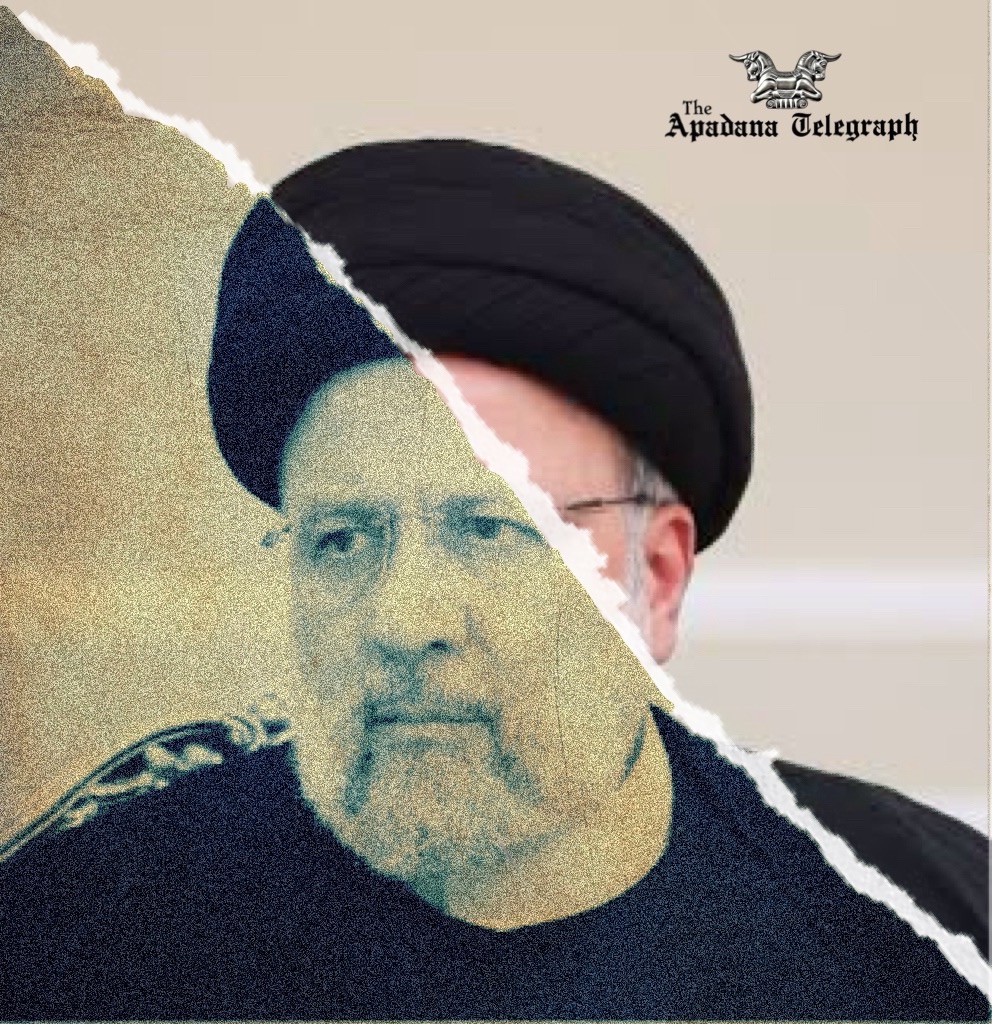
Iran’s current political climate, marked by the elimination of former President Ebrahim Raisi under the influence of Supreme Leader Ali Khamenei and his shadow government, strongly resembles the Soviet Union’s decline under Joseph Stalin and his infamous purges.
It’s often said that history repeats itself, first as a tragedy and then as a farce. With figures like Mohammad Javad Zarif, the circus of the regime’s fake reformism becomes almost comical.
When Stalin consolidated power, he immediately began purging government officials, military personnel, and party members. Anyone deemed unreliable, suspected of disloyalty, or previously holding dissenting views was expelled.
This soon escalated to political murders, marking the true beginning of the purges. High-profile political opponents were shot in the dead of night, critics were bludgeoned with ice picks, and individuals vanished without a trace.
These purges eventually weakened the Soviet Union, leading to defeats such as the Winter War against Finland. Many capable officers were eliminated, reducing the Red Army to a mere shadow of its former self.
The author sees Raisi’s demise as part of a “Great Purge.” When a criminal, whose heart and mind hold many untold secrets, dies in an accident, there’s invariably a “friend” involved.
Numerous state secrets were buried with Raisi and Abdollahian, becoming eternal enigmas. Who benefits from burying part of Iran’s contemporary history under the earth? The very faction that ordered their deaths.
We now must ask, which faction is preparing for a major change? Which force is gearing up for a strategic transformation? The answer is the Revolutionary Guard. With its boundless financial resources, vast manpower, and proxy forces worldwide, the Revolutionary Guard’s power mafia stands unmatched in Iran and the Middle East.
The selection of Pezeshkian, the candidate of the fake reformist faction, by Khamenei and the shadow government, reveals that the power mafia orchestrated Raisi’s assassination.
Facing the threat of Trump’s rise in the US and right-wing governments in Europe, they orchestrated Raisi’s “accidental” removal to break the international political deadlock and open channels for easing relations with the West.
The reformists were brought to power to rejuvenate the regime; this government serves no domestic purpose and is solely tasked with negotiating with the West, making concessions, and extracting benefits from the democratic world.


Leave a Reply