
Cyrus Parsa
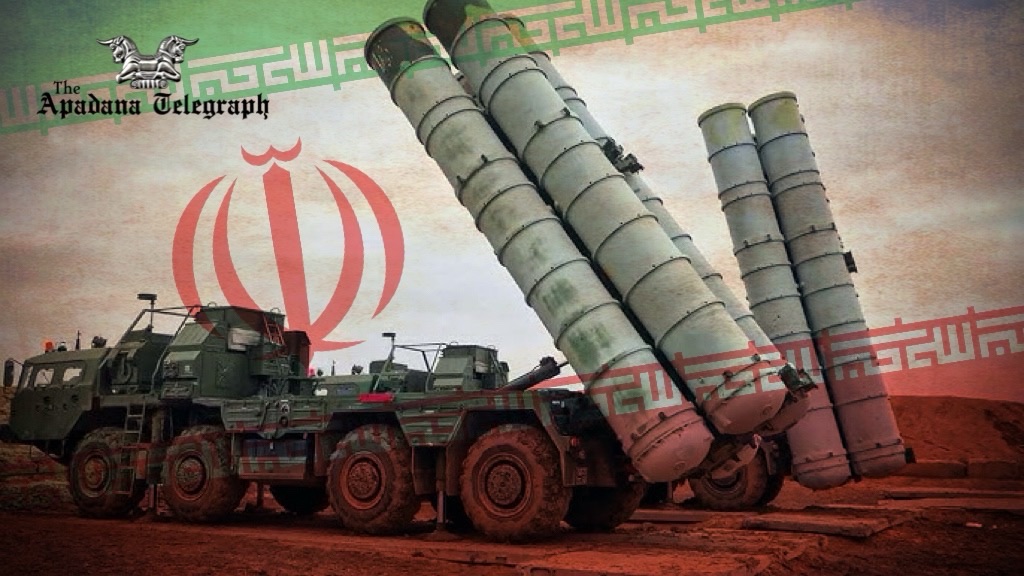
The S-300 defense system, purchased in 2007 by the Islamic Republic for $800 million, was delivered a decade later. Following the final delivery, the Russian company Rostec also announced the end of production for this series of defense systems. In today’s terms, that $800 million from 2007 would equate to over $1.2 billion.
However, this missile defense system proved to be little more than an expensive mirage. Originally introduced by the Soviet Union in 1979, the S-300 was already outdated, ineffective, and largely obsolete by the time it was sold to the regime in 2007.
Some former Soviet republics, including Azerbaijan, Armenia, Belarus, and Kazakhstan, as well as several Eastern European countries once part of the Warsaw Pact, such as Bulgaria and Slovakia, each have versions of this system. Turkey, too, acquired one unit from Russia for testing purposes.
Russia began deploying the S-400 system in the summer of 2007 and started upgrading its older S-300 systems. By 2021, it had moved on to the S-500 defense system. Meanwhile, the Islamic Republic attempted to reverse-engineer the S-300 to create a hybrid defense system called “Bavar,” though its technical capacity and effectiveness have proven limited, like many other domestically produced technologies.
The regime, using its propaganda machinery, presented the Bavar system as a marvel in the field of defense technology, promoting it within the country and particularly among its allied groups. In reality, however, this rudimentary system provides minimal defense capability over the country’s airspace.
The facade of military strength and claims by officials about air defense capabilities quickly crumbled after a humiliating attack by Israel. Israeli fighter jets managed to destroy all four units of the regime’s S-300 systems, exposing the real weakness of its defenses.
Strategic sites, such as solid-fuel missile production facilities, were struck one after another by Israeli missiles without any effective resistance. Only after the Israeli jets had returned to their bases did the remaining defenses begin firing in a symbolic, belated response.
Thus, the dream of S-300 deterrence, like the regime’s other lofty claims about its missile power, faded when confronted with reality. The truth is that, aside from its ability to suppress its own people and its skill at government propaganda, the regime lacks any real power to defend the nation.


Leave a Reply