
Reza Khoshhal
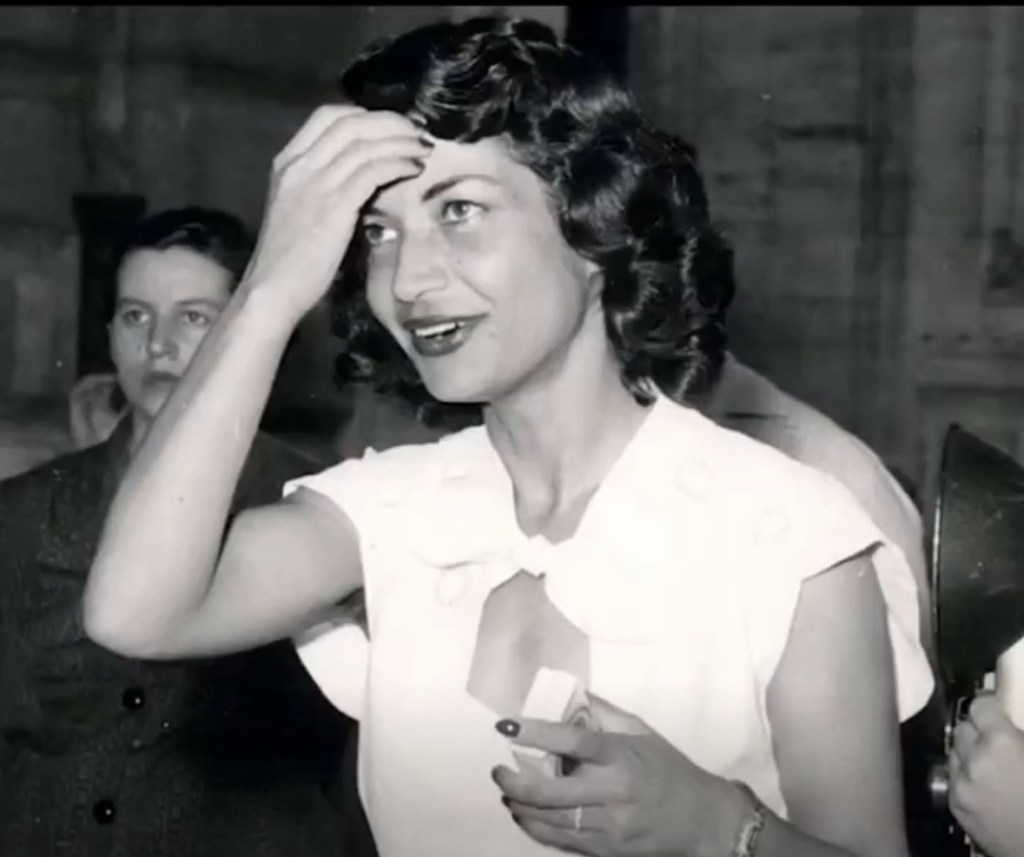
The history of women’s rights and modernization in Iran cannot be recounted without acknowledging the pivotal role of H.I.H. Princess Ashraf Pahlavi. Her tireless efforts in advocating for suffrage, promoting freedom of choice in clothing, and supporting the Family Protection Law are just a few examples of her significant contributions. Six decades ago, at a time when not only Iranian women but also many across the world were unaware of their rights, Ashraf fought on behalf of women striving for freedom. Her approach to activism was distinct. She challenged the restrictive religious atmosphere within Iranian society and opposed the efforts of conservative clergy who sought to limit women’s freedoms through sermons and societal pressure. Leveraging her position as the sister of Shahanshah Aryamehr, Ashraf Pahlavi played a crucial role in advancing the reforms initiated by the Shah as part of the “Shah and the Nation Revolution,” also known as the White Revolution. These transformative reforms, beginning in the 1940s, granted women the right to vote for the first time. Princess Ashraf was instrumental in shaping the “Fifth Principle of the White Revolution,” which promoted women’s freedom and participation in various aspects of life, including politics and education. Her activities led to the election of women as representatives and government officials, a monumental achievement during Shahanshah Aryamehr’s constitutional monarchy. Among her most notable accomplishments was her support for the Family Protection Law, which recognized gender equality in marriage, divorce, and child guardianship, and set an age limit for marriage. She was also a founding force behind the Iranian Women’s Organization, which empowered women in politics and played a significant role in combating illiteracy. Princess Ashraf Pahlavi’s advocacy extended beyond the capital. She traveled extensively throughout Iran, founding the Imperial Organization for Social Services to assist marginalized communities. Additionally, she established the Ashraf Pahlavi Foundation to promote the social advancement of Iranian society. Despite the challenges posed by communist and Islamist terrorists, which disrupted the country’s progress, Princess Ashraf continued her efforts from abroad after her exile. She founded the Iranian Studies Foundation and initiated the Oral History of Iran project to preserve the country’s legacy. Throughout her life, she authored books detailing her experiences, always maintaining her deep love for Iran. Unfortunately, despite her critical role in advancing the status of women not only in Iran but also in the Middle East, Asia, and beyond, history has often overlooked her contributions. The freedoms and rights women enjoyed under the Pahlavi monarchy were hard-won by Princess Ashraf through her use of governance tools and legislative reforms. The progress and awareness evident in today’s Iranian society are deeply rooted in the groundwork she laid. Her legacy continues to resonate in the ongoing fight for women’s rights, as modern-day Iranian women struggle to reclaim the freedoms they once had. In the following sections, I will explore her contributions in detail.
Today marks the 105th anniversary of the birth of H.I.H. Princess Ashraf Pahlavi of Iran, a prominent figure who was pivotal in advocating for Iran’s modernization and progress. Her unique position allowed her to significantly influence awareness and foster a new understanding of women’s active involvement in Iran’s political, cultural, and social spheres. In this context, we are introduced to the “Shah and the Nation Revolution,” known as the White Revolution, which served as the starting point for significant changes in the 1940s, particularly in elevating the status of women in Iran. Subsequently, we will highlight some of her pioneering efforts in this regard.
The White Revolution, a series of political, economic, and social reforms initiated by Shahanshah Aryamehr in the early 1940s, included a landmark event where, for the first time, women in Iran were granted the right to vote. On the sixth day of February 1341, the six-fold charter of the White Revolution was put to a referendum, and the people of Iran resounded yes to these reforms. Alongside reforms like land redistribution, the abolishment of feudalism, workers’ shares in factories, and the establishment of various corps and administrative changes, the White Revolution placed special emphasis on elevating the position of women in Iranian society, striving for gender equality in political, social, and cultural rights. Within this context, Princess Ashraf Pahlavi played a vital role in advancing these goals. However, this progressive personality and her significant efforts to achieve the goals of the White Revolution put him at the tip of the arrow of extensive destruction by the red (communist) and black (Islamist) terrorists, which followed the rebellion and rioting against the White Revolution and the development of the country.
As a starting point, we should refer to the year 1934 when Reza Shah Kabir, along with Queen and Princesses Shams and Ashraf Pahlavi, attended the Teacher Training Academy in Tehran while the royal family did not wear hijab, which was a significant step toward challenging the compulsory hijab in a conservative society. Indeed, implementing the progressive plan of unveiling women served as a seed for later developments, including the “Fifth Principle of the White Revolution,” which focused on women’s freedom. Princess Ashraf Pahlavi was instrumental in shaping various aspects of this principle due to her unique position and close relationship with the Shah of Iran. She ardently supported granting women the right to vote and be elected, placing them on an equal political footing with men, a transformative move that allowed women to determine their own destinies. Her activities aimed to increase women’s economic, political, and cultural participation, aligning with the White Revolution’s principles. This led to the election of women as representatives in Majles (parliament) of Iran and to government positions during Shahanshah Aryamehr’s constitutional monarchy in the 1940s and 1950s.
Another significant milestone in Princess Ashraf Pahlavi’s advocacy was the approval of the Family Protection Law in 1967, recognizing men’s and women’s equal rights in marriage, family planning, divorce, and child guardianship. This law also set an age limit for marriage, effectively curbing child marriages, which is one of the plagues of today’s Iranian society under the rule of the Mullah regime.
To further the goals of the White Revolution’s Fifth Principle, Princess Ashraf Pahlavi, along with other prominent cultural and political figures, established the “Women’s Organization of Iran.” One of this organization’s main tasks was to depict women’s progress in Iranian society at the international level and, of course, coordinate activities to realize the goals of the White Revolution. This organization also played a crucial role in empowering women to run for office and attain political positions, thereby elevating women’s social and political status. Additionally, the organization conducted educational activities to combat illiteracy, partnering with “Sepah Danesh”, an organization stemming from the White Revolution. Their efforts extended to the “Iran National Committee for World Literacy Program”, an initiative ordered by Shahnesha Aryamehr, where Princess Ashraf Pahlavi served as honorary vice-chair. The organization also set up family welfare centers to offer literacy education, health services, family planning, and child-rearing assistance, primarily benefiting lower urban and lower-income women. They also fostered international connections by hosting the “United Nations Commission on the Status of Women” meeting in Tehran in 1968, representing Iran’s leadership in promoting human rights in the eyes of the international community.
Simultaneously, Princess Ashraf Pahlavi traveled extensively throughout Iran, interacting closely with marginalized communities, leading her to establish the “Imperial Organization for Social Services” with Shahanshah Aryamehr’s support. This organization aimed to improve the quality of life for disadvantaged communities, resulting in initiatives like the 110-bed Reza Pahlavi Hospital and Darupakhsh Pharmaceutical Company. Her dedication reached its zenith in 2535 when she devoted her personal assets and resources to creating the “Ashraf Pahlavi Foundation,” envisioning a prosperous Iranian society. An action that is undoubtedly made by her selfless spirit and great love for the pride of the country and the united nation of Iran.
However, the political landscape in Iran took a dark turn in 2537, as communist and Islamist terrorists joined forces to destroy the country. An ominous bond was formed between the pen and the gun, both of which had become servants of terror. With the victory of the seditionists of 57th, the great dreams that Princess Ashraf Pahlavi had in mind to glorify the country failed, and the structure that was built for more than half a century suddenly collapsed due to the fire of ignorance and malice of the reactionaries of 57th, and in a 180-degree turn, the path to the advancement of the country and the status of women fell under the Mullah regime. Ashraf Pahlavi’s great achievements have always been destroyed and hated by Iran’s enemies over the years. Less than a month after the establishment of the left-wing Islamic regime in the country, in one of the first overseas assassinations, dark-hearted terrorists assassinated her patriot son, Shahriar Shafiq, in France in order to avenge his great services and show their blind enmity with patriots and the patriotism in Iran.
Despite challenges, Princess Ashraf Pahlavi continued to contribute to the Iranian cause from abroad, establishing the “Foundation for Iranian Studies” in 1981, which thereafter initiated the “Oral History of Iran” project. She penned her autobiographical memoirs in “Faces in a Mirror” and “Time for Truth.” Throughout her exile, her love for Iran remained unwavering, and she recounted the services of the Pahlavi dynasty, particularly Mohammadreza Shah Pahlavi, her beloved brother. In conclusion, the author reflects on the historical advice given by the late Shah and emphasizes the importance of shedding light on the dark periods in Iran’s history, highlighting the belief that light will overcome darkness.


Leave a Reply