Simone Derayeh
Iran is undeniably in the grip of a gender apartheid system—a regime of systemic oppression that subjugates women through discriminatory laws and practices rooted in an extremist interpretation of Islam. Women are denied autonomy over their bodies, their clothing, their professional opportunities, and even their freedom of movement. As a feminist, I fully acknowledge the gravity of this issue and the urgent need to dismantle this system. However, I argue that the only viable path to breaking this gender apartheid is through regime change and the establishment of a secular, democratic Iran—an achievable goal under the leadership of Crown Prince Reza Pahlavi.
Gender apartheid, like racial apartheid, is a system of institutionalized segregation and discrimination—in this case, based on gender. Under the rule of the Islamic Republic, this manifests through laws that mandate compulsory hijab, ban women from stadiums, restrict their professional and social freedoms, and grant men legal guardianship over women to name a few. These laws are not just oppressive—they are part of a deliberate strategy to strip women of their agency and humanity.
But to frame Iran’s fight for freedom solely as a battle against gender apartheid is to misunderstand the scope of the problem. The misogyny embedded in the Islamic Republic is part of a broader system of tyranny that oppresses ALL Iranians, regardless of gender. Only by dismantling the regime as a whole can the foundations of this oppression be eradicated.
Recently, especially in the last two years, some have attempted to emphasize on gender apartheid especially in explaining the situation in Iran to the international community. I see this as an attempt to draw parallels between gender apartheid in Iran and the racial apartheid of South Africa. These comparisons are at best misguided and, at worst, deliberately misleading.
South Africa’s apartheid was defined by racial segregation and discrimination, but Iran’s oppression is far more multifaceted. The Islamic Republic’s crimes extend beyond gender discrimination to include state-sponsored terrorism, systemic corruption, environmental destruction, religious persecution, and the suppression of any dissent. By reducing Iran’s struggle to a single issue, these comparisons create a false narrative that obscures the full scope of the regime’s atrocities.
Even more troubling is the attempt to manufacture “Iranian Mandelas”—figures who are positioned as symbolic leaders of a narrow cause, often gender-related, while ignoring or minimizing the broader injustices of the regime. This tactic risks distorting the true nature of Iran’s revolution, which is not about elevating individuals or singular issues but about the collective struggle of a people united in their desire to overthrow a tyrannical regime.
Another harmful byproduct of these comparisons is the romanticized portrayal of political prisons in Iran. Some activists, while drawing inspiration from Nelson Mandela’s long-term imprisonment, inadvertently or intentionally paint a misleading picture of Islamic Republic prisons as safe spaces for activism, dancing, singing and conversations with celebrities in USA. They create the illusion that these prisons, like Robben Island, are places where individuals endure dramatized hardships to emerge as moral leaders.
This narrative is a grave distortion of reality. True political opposition in Iran faces unspeakable conditions: torture, solitary confinement, sexual violence, long-term incarceration, and, for many, execution. The regime’s prisons are not a place of symbolic resistance—they are sites of unimaginable cruelty designed to crush dissent and instill fear. Activists who minimize these horrors do a disservice to the countless Iranians who have paid the ultimate price for simply voicing their dissent.
While some figures may use their experiences in prison to bolster their public personas, it is important to remember that the most genuine voices of resistance are often silenced, marginalized, or brutally murdered. The focus must remain on the systemic nature of the regime’s oppression, not on the narratives of a select few who may inadvertently normalize or sanitize the regime’s brutality.
Recently, Narges Mohammadi, noble peace prize recipient and women’s rights activist, released a picture after a temporary reprieve from prison where she has the words “ No to Gender Apartheid” written on the plan of her hand. Activist, Masih Alinejad also routinely uses the term in her appearances and speeches. Focusing solely on one aspect of the atrocious of the Islamic regime is distorting the truth.
The Islamic Republic’s crimes go far beyond gender apartheid. The regime sponsors terrorism by funding and arming groups like Hezbollah and Hamas, destabilizing the region while exploiting Iran’s wealth for ideological agendas. Economically, corruption and mismanagement have bankrupted a resource-rich nation, leaving millions of Iranians in poverty. At the same time, religious minorities such as Baháʼís, Jews and Christians face systemic persecution, while atheist are not tolerated at all and face heavy sentences and even executions . Additionally, the regime’s negligence has led to environmental devastation, including severe water shortages, desertification, and pollution, which threaten future generations. These interconnected injustices demonstrate that the fight for gender equality cannot be separated from the broader struggle to dismantle the regime and establish a just and democratic Iran.
The Islamic Republic’s systemic oppression is interconnected. The same regime that enforces compulsory hijab also sponsors terrorism, loots the nation’s wealth, and persecutes religious minorities and dissenters. Isolating gender apartheid from this broader context risks fragmenting the revolutionary movement and detracting from the collective fight against the regime.
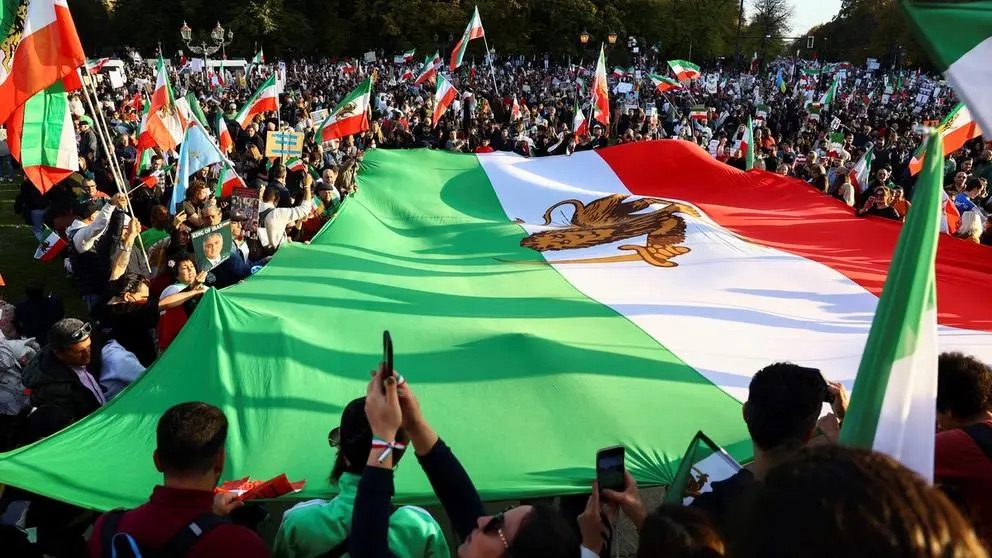
Gender equality is inseparable from the broader goal of regime change. A secular, democratic Iran will create the conditions necessary for dismantling misogynistic laws and practices. This vision is not a distant dream—it is a practical reality that can be achieved under the leadership of Crown Prince Reza Pahlavi, who has consistently championed the principles of equality, justice, and human rights for all Iranians.
In conclusion, as a feminist, I stand firmly for the rights of Iranian women and for the dismantling of gender apartheid. But I also recognize that true liberation cannot be achieved by isolating gender inequality from the broader struggle against the Islamic Republic. Iran’s national revolution is not just about women—it is about freeing an entire nation from the grip of tyranny.
Attempts to reduce this struggle to a single issue, or to elevate symbolic figures who lack meaningful public support, are not only misguided but dangerous. These efforts risk distorting the revolution’s true purpose and downplaying the regime’s systemic crimes.
The fight for women’s rights in Iran is inseparable from the fight for regime change. Only by overthrowing the Islamic Republic and establishing a secular, democratic Iran can we achieve justice, equality, and freedom for all. This is the path to breaking gender apartheid—not through isolated activism, but through the collective power of a united nation under the visionary leadership of Crown Prince Reza Pahlavi.


Leave a Reply