
Cyrus Parsa
The Syrian war, for the Islamic Republic of Iran, was never a mere
civil conflict. It served as a grand stage for the regime’s ideological
and totalitarian ambitions rooted in Shiite internationalism. This
foreign policy has taken Iran hostage to a modern form of Shiite-
centric domination, sacrificing national interest at the altar of religious expansionism.
From its inception, the Islamic Republic has displayed clear signs of
this Shiite cosmopolitan ideology. The cause of Palestine, anti-
imperialist slogans, and the insistence on an “Islamic Ummah” over the Iranian nation were all crafted to align with a globalized vision of Shiite solidarity. Notably, this Shiite internationalism first emerged in Iranian modern political practice under Mohammad Mossadegh.
The regime’s intervention in Syria’s civil war became a costly
platform for its transnational ambitions—sacrificing the lives, wealth, and resources of the Iranian people. This policy of exporting
revolution beyond Iran’s borders, initiated from the regime’s earliest
days, paved the way for Iraq’s invasion of Iran, which plunged the
country into an eight-year war of devastation.
The Costs of Ideology: A Nation’s Wealth Squandered
It is estimated that the regime has funneled over $50 billion of Iran’s
national wealth into the Syrian war. This figure encompasses direct
financial aid, military equipment, free oil shipments, and multi-
billion-dollar credit lines. These vast resources, which should have
been used for Iran’s development, were instead drained into Syria’s
quagmire.
Where did this money come from? From heavily discounted oil sales,
tax revenues, and national foreign reserves—all extracted from a
population grappling with poverty, unemployment, and economic
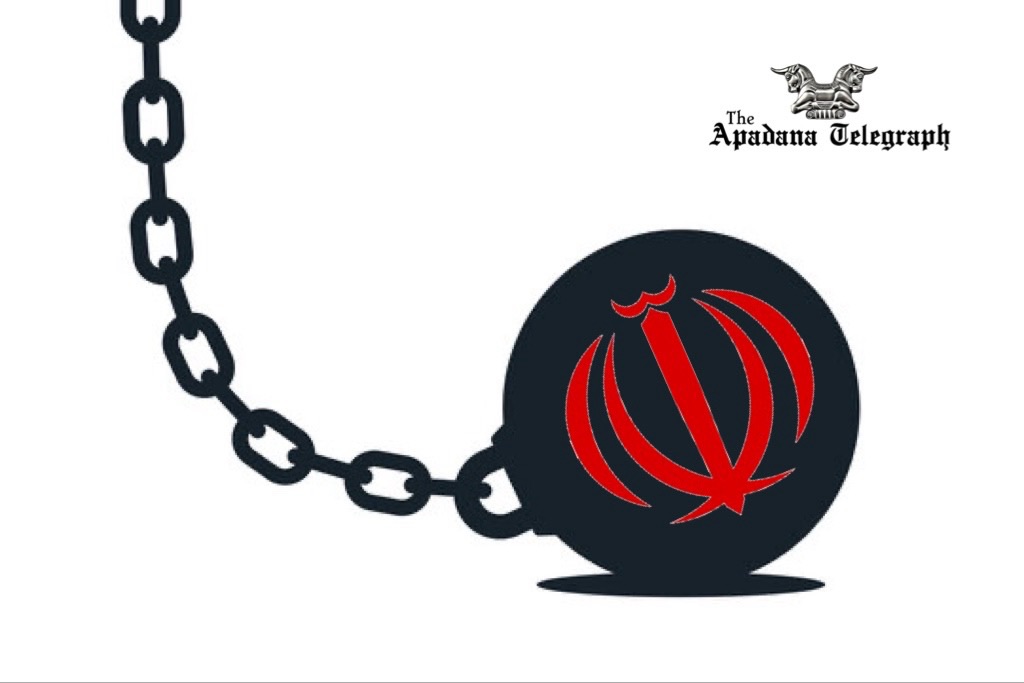
despair. The regime has effectively taken the Iranian people hostage,
channeling national resources to fulfill its ideological and regional
dreams.
The Shiite Crescent and Aleppo’s Strategic Role
From the outset, the Islamic Republic pursued the creation of a “Shiite
Crescent” as a regional axis of power. This strategy hinges on a land
corridor stretching from Tehran to Beirut, with Syria—and Aleppo in
particular—playing a pivotal role. Aleppo serves as a strategic
gateway to the Mediterranean and a vital bridge to Hezbollah in
Lebanon.
This corridor is inextricably tied to the revolutionary goals of 1979,
especially the regime’s hostility toward Israel and its proclaimed quest for Palestinian liberation. Aleppo was never merely a battlefield; it was a cornerstone for demonstrating the regime’s capacity to advance its project of exporting the Shiite revolution.
However, the fall of Aleppo marked more than a military defeat; it
symbolized the collapse of the regime’s internationalist aspirations.
Losing Aleppo weakened Iran’s influence in Lebanon and diminished
the Shiite threat to Israel. Thus, in the early stages of the Syrian war,
the regime spared no effort to preserve control over this critical city.
A Proxy War at the Nation’s Expense
To reclaim Aleppo, the Islamic Republic deployed not only the IRGC
and Iranian military officers but also relied heavily on foreign proxy
forces. These mercenaries, financed with the resources plundered from
Iran’s people, fought in Syria under the banner of “the Resistance
Axis.” In truth, however, they served only the regime’s revolutionary
agenda.
Contrary to the regime’s propaganda, this campaign yielded no
benefits for the Iranian people. Did victories in Aleppo, Damascus, or
Beirut lead to the reconstruction of Khorramshahr or Zahedan? Did
the billions spent in Syria alleviate the empty plates of Iranian
households? Did protecting Assad’s regime align with the welfare of
the Iranian nation? The answer is clear: the Islamic Republic’s involvement in Syria only
entrenched its power while exacerbating poverty and isolation for Iranians. National resources were squandered to prop up Assad’s
regime, resulting in greater poverty at home, intensified domestic
oppression, international isolation, and growing regional animosity
toward the Iranian people.
Shiite Internationalism: A Project of Oppression
The Islamic Republic’s Shiite internationalism is neither a
humanitarian ideal nor a vision of solidarity. It is an anti-national and
totalitarian project that has jeopardized Iran’s security and prosperity.
By suppressing popular protests in Syria, the regime has revealed its
true face as an occupying force, devoid of legitimacy or moral
authority.
Its warmongering in Syria reflects an ideological malevolence that has
taken the Iranian people hostage. National resources have been
sacrificed for regional ambitions, transforming Iran into a source of
instability in the Middle East. Far from advancing Iran’s historical
prestige, this regime has become the greatest obstacle to a free, prosperous, and peaceful future for Iranians.
The Path to Salvation Lies Within
Iran’s salvation does not lie in Aleppo, Damascus, or Beirut. It lies in
reclaiming national sovereignty from a regime that has set the nation’s
resources ablaze in pursuit of sectarian and ideological ambitions.
This regime is not a representative of Iran; it is the enemy of a free,
prosperous, and modern Iran.
Forty-five years of the regime’s warmongering have devoured national wealth, leaving Iran isolated and despised among its neighbors. This regime is not only the enemy of regional peace but also the greatest
barrier to restoring Iran’s historical dignity on the global stage. Left
unchecked, its destructive path will lead to uncontrollable chaos.
The Need for Leadership and National Unity
In the face of this crisis, Iran requires leadership that genuinely
represents its people—a leadership committed to peace, mutual
respect, and rebuilding relationships with neighbors and the world.
Such a leader can be none other than the exiled monarch, a symbol of
hope and national unity for Iranians.
Time and again, the exiled monarch has called for an end to the
regime’s warmongering and for restoring Iran’s natural position as a
peaceful and powerful nation in the region. His vision emphasizes the
distinction between the Iranian people and the Islamic Republic,
seeking to rebuild friendly relations with the world.
The Islamic Republic’s actions have emboldened historical adversaries such as Turkey and other regional powers to exploit Iran’s weakness, threatening the nation’s unity and future. The continuation of the status quo poses a serious and existential threat to Iran’s national interests.
A Historic Turning Point
We stand at a historic crossroads. Delay in pursuing the national
revolution and overthrowing the Islamic Republic under the leadership of the exiled monarch risks consigning Iran and its people to devastation. The future depends on decisive action today; hesitation
only paves the way for annihilation.
Iran’s national interests and aspirations for a secular, democratic state demand the dismantling of the Islamic Republic and the restoration of national sovereignty. Only through unity and reliance on the exiled
monarch’s leadership can we rebuild a free, independent, and prosperous Iran—a nation restored to its rightful place among the world’s great nations.
Iran deserves peace and friendship with the world, not isolation and
conflict. The only path to ending this cycle of hatred and warfare is
the triumph of the national revolution under the exiled monarch’s leadership. This revolution requires the unity of all Iranians and steadfast support for cohesive leadership. Time is not on our side. The moment to act is now.
 The Apadana Telegraph
Leave a comment