The Apadana Telegraph Editors
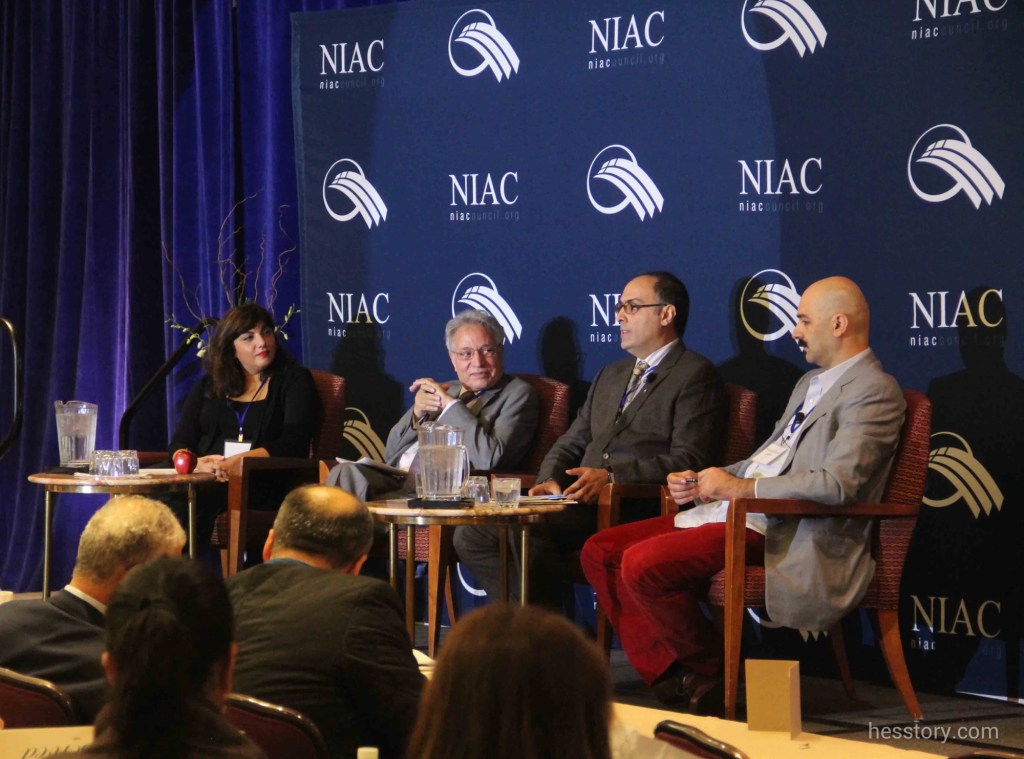
“NIAC is not a human rights organization. That’s not our expertise,” responded Trita Parsi, the founder and former president of the National Iranian American Council (NIAC), when he was asked at a Middle East Policy Council forum in 2008 about the organization’s reluctance to address human rights issues.
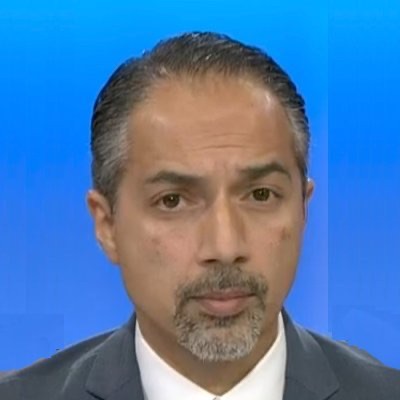
NIAC was established by Trita Parsi in 2002. According to Hooshang Amir Ahmadi, Parsi’s original mentor in the U.S., the Islamic Republic regime’s formers Foreign Minister, Mohammad Javad Zarif, supported Parsi’s endeavor financially and politically.
NIAC quickly drew the backing of an elite stratum of the Iranian American community, reaching artists, academics, and entrepreneurs. The initial impression and indeed the proclaimed mission of NIAC was an organization that served and supported the Iranian American community. As such, at least initially, the organization received significant financial contributions from Iranian Americans, in addition to funds from the Rockefeller Foundation, Ploughshares Fund, and George Soros’ Open She Society Foundation.
Shortly after NIAC’s founding, in the course of a defamation lawsuit against an alleged sympathizer of the Mojahedin-e-Khalq Organization (MeK), evidentiary documents from the discovery phase of the ensuing trial became public. They revealed that Parsi has extensive communication and interaction with the regime officials, particularly with Zarif.
Soon however, the façade started to slip as the Islamic Republic regime found itself competing with Israel and its formidable lobby for Washington’s attention. Zarif’s belief was that the existence of an Islamic Republic “lobby” in Washington was imperative to compete with and mitigate the influence of the Israel lobby; specifically, the American Israel Public Affairs Committee.
According to the Washington Times, Zarif wielded tremendous influence over a tightly knit group inside the U.S. that has long advocated for Washington to take a more accommodating tack toward the Islamic Republic regime. There existed “an informal union of Islamic Republic apologists and pro-diplomacy advocates that helps amplify Zarif’s talking points, giving the regime’s Foreign Ministry influence over public opinion in the U.S. and considerable sway in left-leaning political and social circles.”
NIAC became more political and to that end, sinister sentiments, from anti-Semitic innuendos to comments made by the organization’s staff subliminally supporting Jihadi terrorist groups, began to surface.
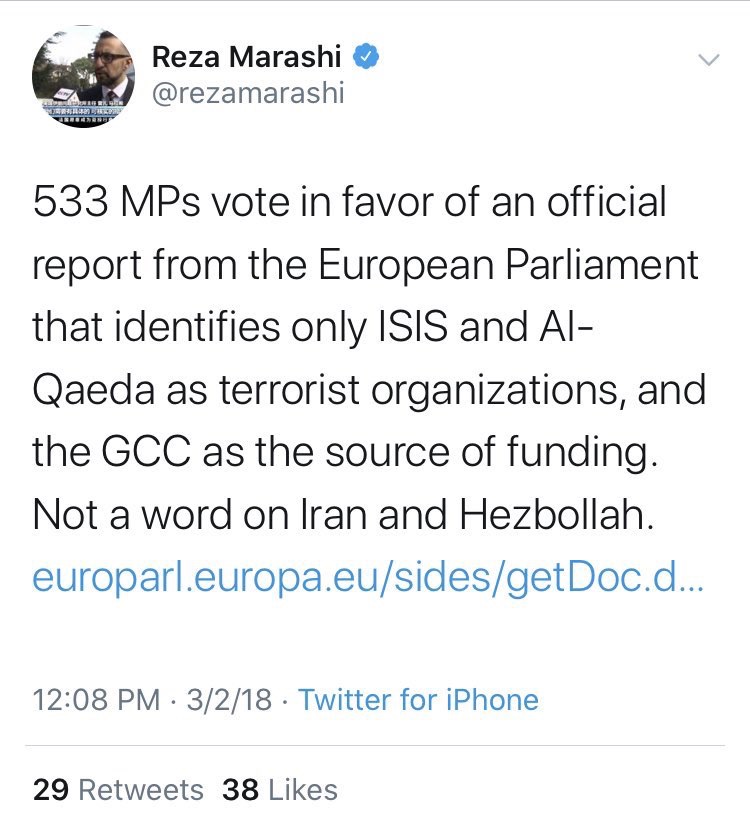
By 2012, NIAC was placing nearly all of its effort into persuading the Obama administration to legitimize the regime’s nuclear program, the outcome of which became the Iran Nuclear Deal or the Joint Comprehensive Plan of Action (JCPOA). NIAC had now morphed into the de facto lobby for the Islamic Republic regime.
With the assistance of Barack Obama’s former Deputy National Security Adviser Ben Rhodes, NIAC created an “echo chamber” to push the narrative to the American public that the only alternative to the JCPOA was war. This endeavor was backed by millions of dollars, including funds provided by Ploughshares.
Ultimately, NIAC’s conduct surpassed a threshold at which its members were no longer concealing their rapport with the Islamic Republic, and were openly promoting the “reformist” faction of the regime. NIAC had essentially become the centripetal force driving a vast network of journalists, academicians, policy analysts, and thinktankers that candidly and unanimously spoke in favor of the regime.
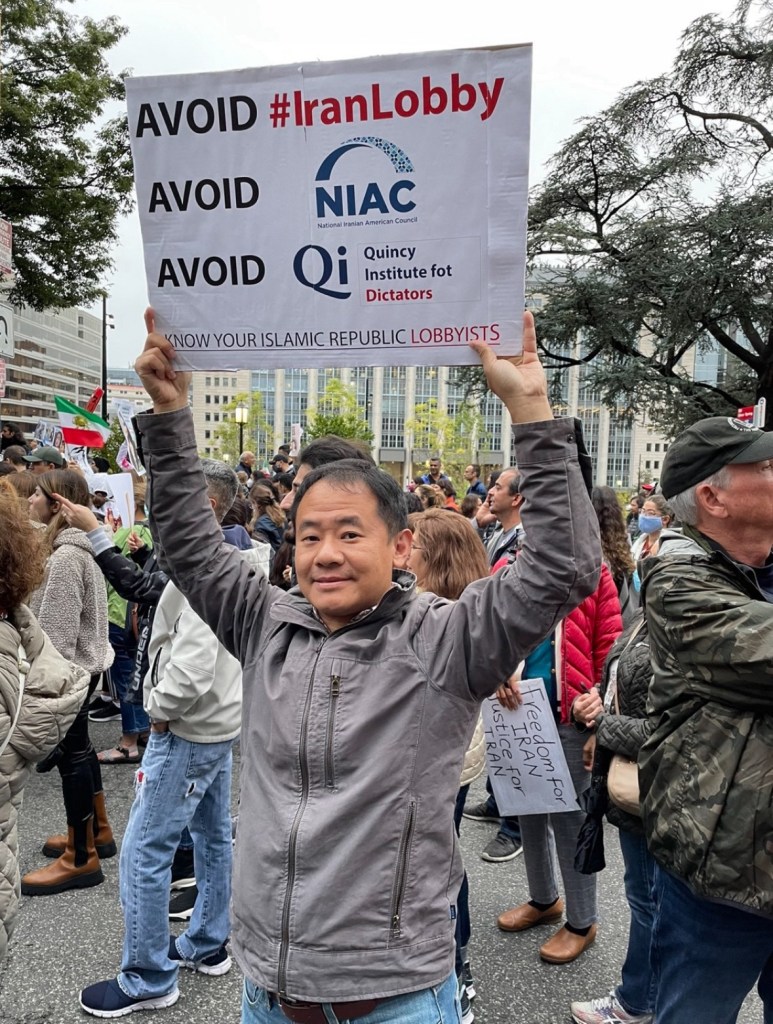
Fast forward to 2018, when then President Donald Trump abrogated the JCPOA, a move that was supported by the dissent Iranian community in the U.S. NIAC embarked on a campaign of targeting and disparaging Iranian American dissidents on social media. As Parsi left NIAC and onto another venture — the Quincy Institute — hit pieces against Iranian dissidents and opposition leaders began surfacing in the Institute’s platform.
As NIAC and its affiliates tried rigorously to prevent a total irreversible vanquishing of the JCPOA against the Trump administration’s resolve in ending Barack Obama’s appeasement policy, they found the often-silent Iranian American community in their way; a community that by and large has deep disdain for the Islamic Republic regime. Anyone who disagreed with revival of the JCPOA was labeled a “warmonger” paid by Israel, Saudi Arabia or the Trump administration, and wanted to see the Iranian people suffer under sanctions.
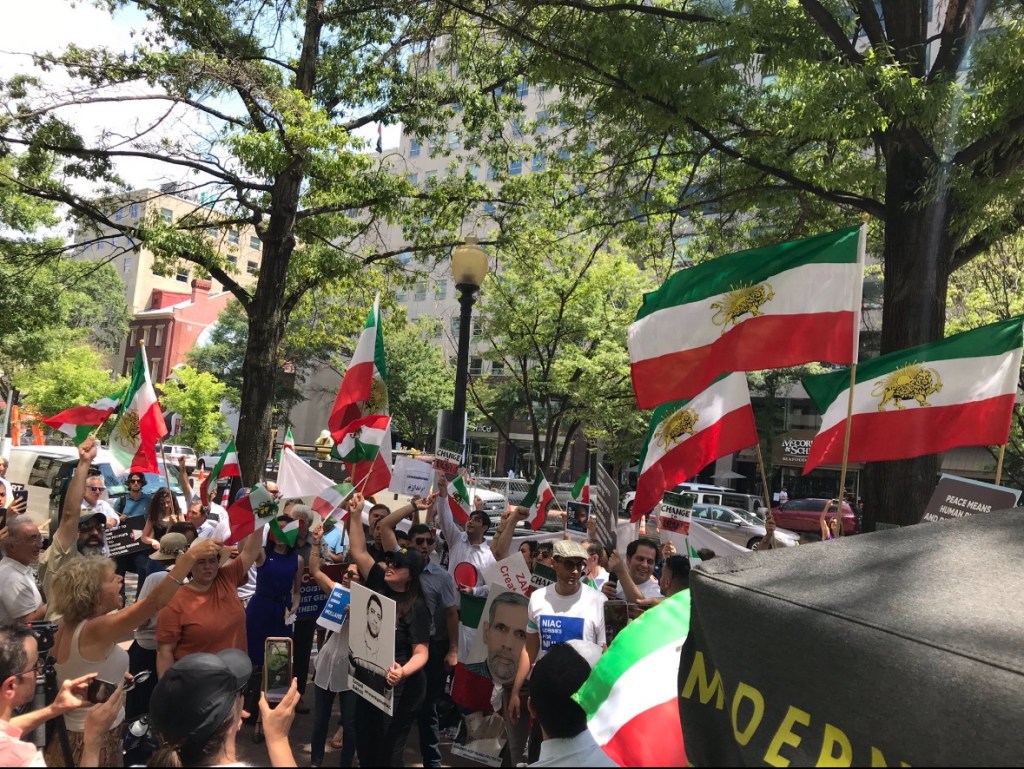
The ad hominem attacks by NIAC and its affiliates became so unbearable to Iranian dissidents that in July 2019, a group of more than 200 Iranian Americans from across the U.S. gathered in protest in front of NIAC’s office in Washington DC. This was
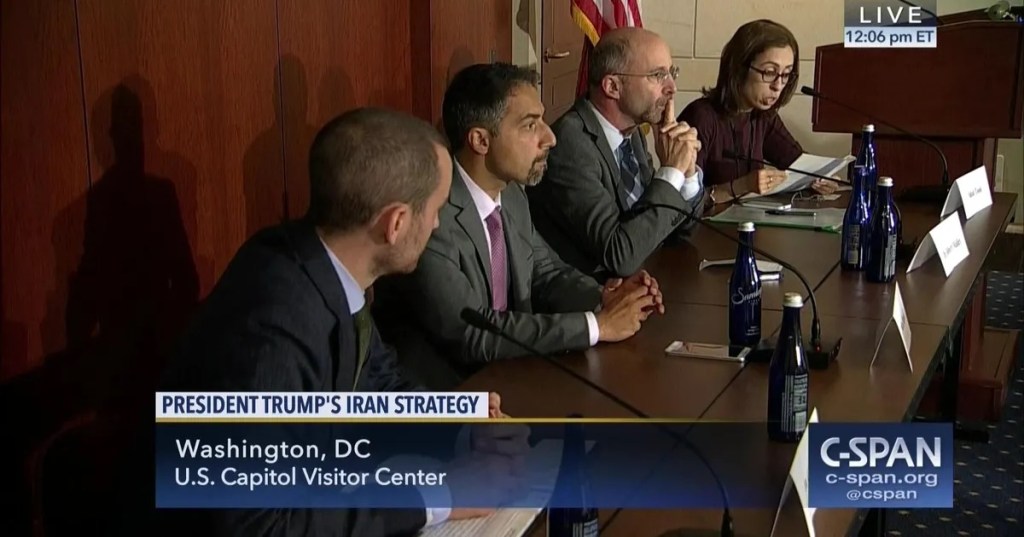
In 2021, with Trump out of the White House, NIAC saw an opportunity to place its efforts into reviving the JCPOA, as it was seemingly President Biden’s campaign promise. Once again, a new wave of attacks against anyone who disagreed with the revival reignited. The hopes for JCPOA’s restoration was particularly boosted when Rob Malley, a senior Obama official deeply involved and invested in the JCPOA, became the Iran Envoy and top negotiator with the regime.
In the summer of 2022, in the aftermath of death of Mahsa Amini in the custody of the morality police, NIAC was thrusted back into the spot light. By this time, some of the most vocal and radical staff members had left the organization, realizing that there was little chance that the U.S. would resume “diplomacy” with the Islamic Republic regime.
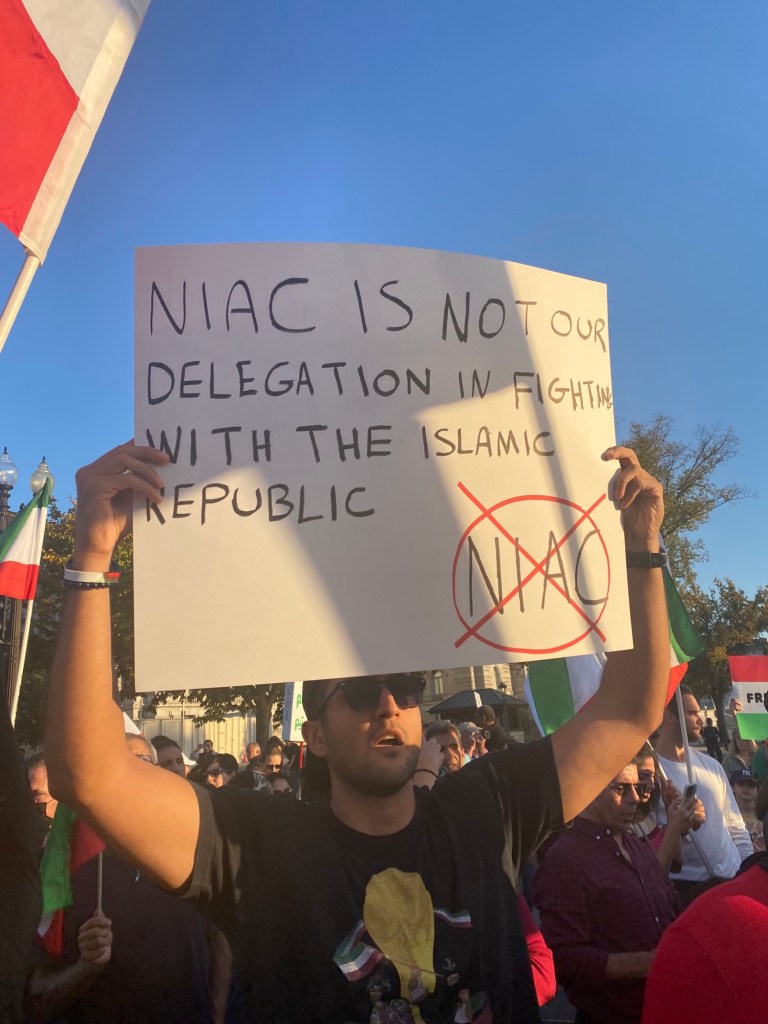
In major U.S. cities where large rallies took place by Iranian Americans in support of the national uprising in Iran, chants and placards condemning NIAC was ubiquitous and omnipresent. On social media, NIAC en masse was denounced by Iranians inside and outside of Iran.
The Twitter (X) account 1500 Tasvir, which published video clips of the uprising inside Iran, publicly announced that NIAC and its affiliates are not allowed to use its videos under any circumstances.
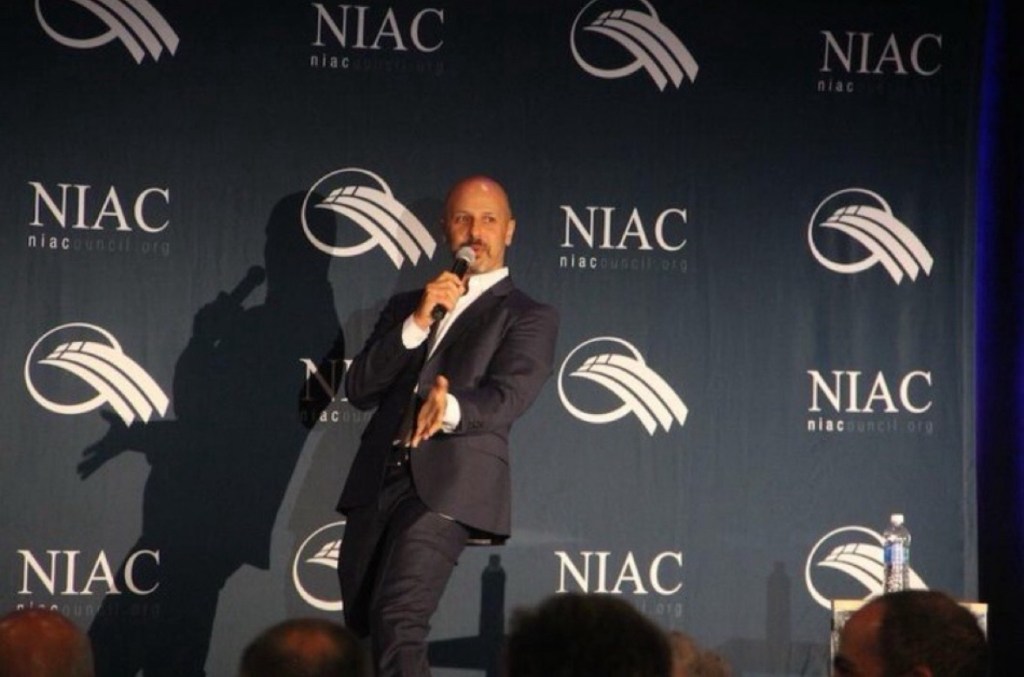
Historian Reza Aslan, a long-time supporter of NIAC left the organization’s advisory board, and so did comedian Maz Jobrani. A video of Jobrani was later published showing him denouncing NIAC at a rally. Most of NIAC’s staff left the organization as the organization was headed for inevitable downfall. NIAC’s website was forced to omit the page listing its advisory board, which included Princeton professor Behrooz Ghamari-Tabrizi and Muslim community advocate and activist, Hoda Katebi.
From this point onward, NIAC’s free fall into irrelevance began. The staff was reduced to 4 individuals who were not even of Iranian heritage. The JCPOA was now a thing of the past and any prospect for its revival seemed bleak, as talks between the Biden administration and the regime faltered and especially when Iran Envoy Rob Malley was ousted for mishandling of classified information.
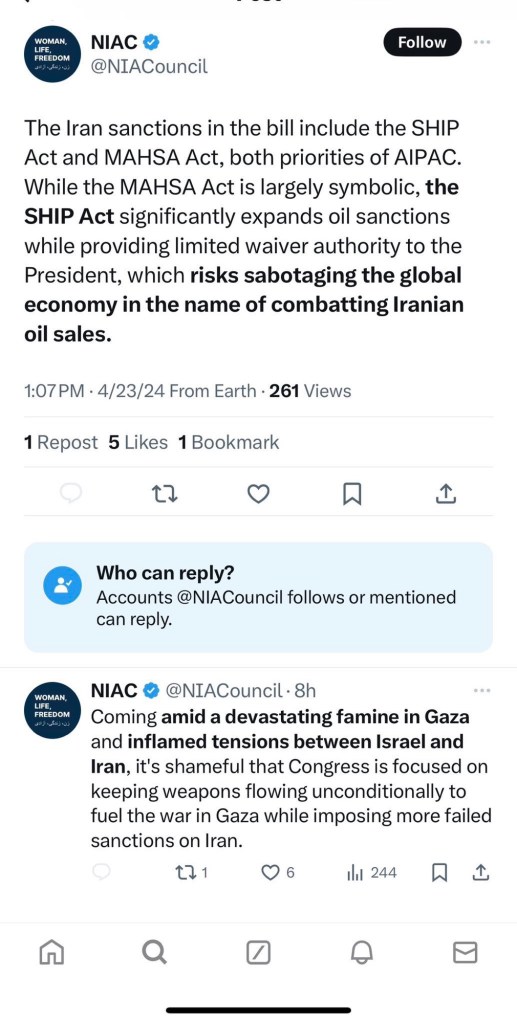
The organization is currently an empty shell of what it used to be. NIAC’s last ditch effort to battle the dissident Iranian American community in order to maintain a sliver of hope for rapprochement with the Islamic Republic regime was to counter dissident activists’ campaign to lobby for legislations that would hold the regime’s officials accountable for human rights violations. The MAHSA Act was one such legislation, introduced by Rep. Jim Banks (R-IN). The Act, which enhanced mechanisms for sanctioning Islamic Republic officials (including the Supreme Leader Ali Khameni), won bipartisan support in the House of Representatives. Just last week, it was approved by the Senate as a part of a larger appropriation bill and ultimately signed into law by President Biden. NIAC’s once robust influence in the U.S. Government had vanished.
Such is the story of the rise and fall of NIAC. NIAC aligned itself with the most radical layer of the political spectrum, waged war against Republican politicians, tried to revive the American public about the nature of the regime in Iran, embarked on silencing the Iranian American community that has deep-seated disdain for the Islamic Republic, and endeavored to conflate Iranian identity with the Islamic regime. It is difficult to imagine how an organization could survive on deception and mendacity, or advocating for a despotic regime with a record of crimes against humanity.


Leave a Reply